The top 10 causes of muscle tension and spasms and how physiotherapy treats them in Kuwait
introduction
Muscle strains and spasms are among the most common complaints of athletes, office workers who sit for long periods, and people suffering from neck, back, and shoulder pain. A strain may manifest as a feeling of stiffness and difficulty moving, while a spasm appears as a sudden, painful contraction in a single muscle or group of muscles, lasting for seconds or minutes, and sometimes occurring several times a day. In Kuwait, certain everyday factors such as prolonged sitting in cars, long office hours, reduced physical activity during the summer, or sudden exercise increases the likelihood of muscle strains.
It's important to understand that muscle spasms aren't always solely a muscular problem. Sometimes they reflect dehydration, electrolyte imbalances, nervous strain, joint dysfunction, or muscle weakness in specific areas that forces other muscles to compensate. This is where physical therapy comes in, because it doesn't just focus on relieving pain, but also identifies the underlying cause and develops a treatment and rehabilitation plan to prevent recurrence.
When are seizures considered a sign that requires urgent medical attention?
If the spasm is accompanied by sudden weakness, severe numbness, or loss of sensation.
If there is noticeable swelling, redness, localized heat, or severe pain after an injury or fall.
If accompanied by shortness of breath, chest pain, or severe dizziness.
If the spasms occur daily without a clear reason, or constantly wake you up from sleep.
How does physiotherapy in Kuwait help treat muscle tension and spasms?
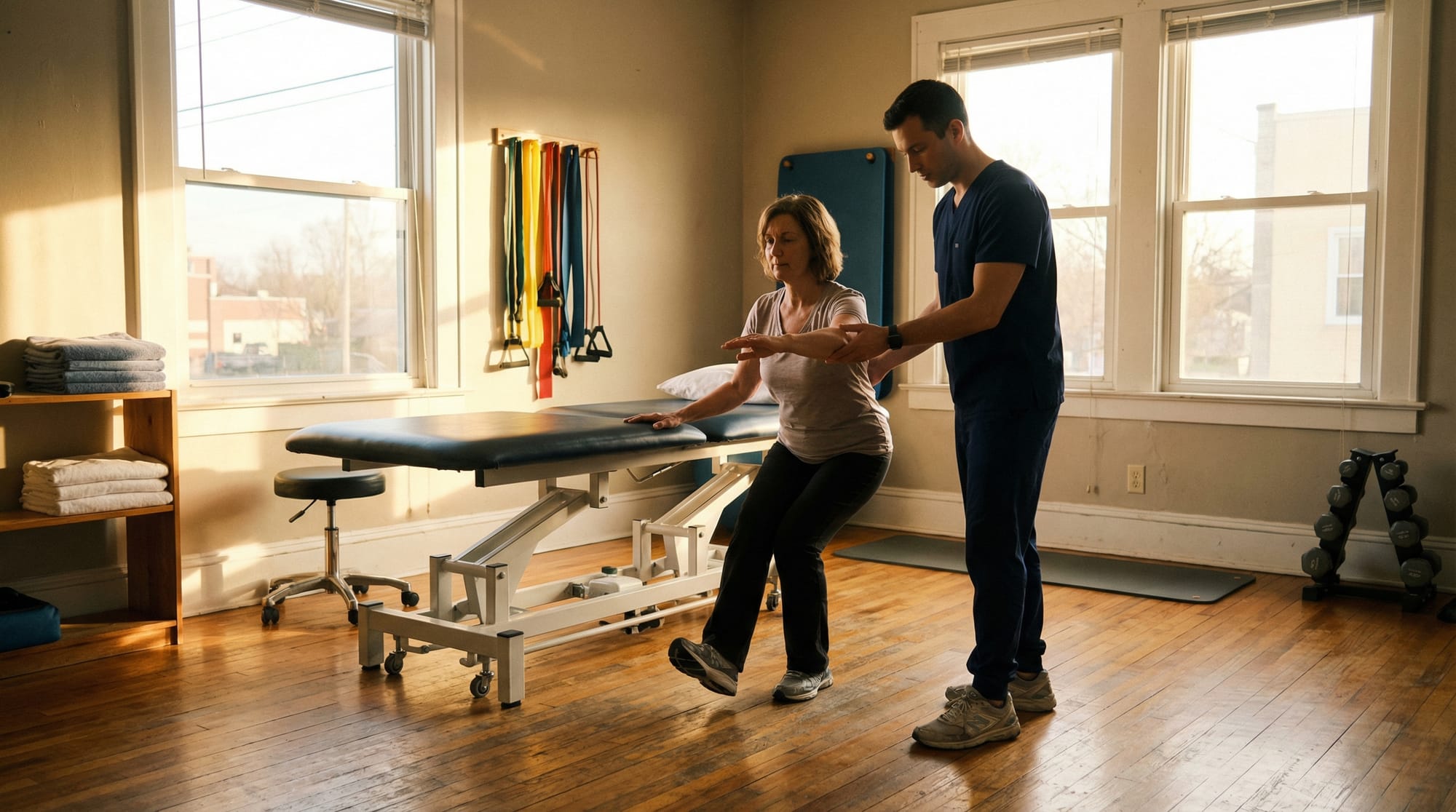
Physical therapy typically involves a clear process: a comprehensive assessment of movement, strength, and flexibility; examination of tension and pain points; analysis of posture and gait or sitting patterns; and selection of an appropriate treatment combination. This combination may include manual therapy to relax tissues and improve joint mobility, targeted stretching and strengthening exercises, trigger point therapy, pain relief methods such as heat, cold, or electrical stimulation depending on the individual case, and a clear home treatment plan. In specialized centers in Kuwait, such as Al-Taie Physical Therapy Center, support services such as rehabilitation, hydrotherapy, and home-based programs may also be available for those who find it difficult to attend the center.
The top 10 causes of muscle tension and spasms and how physiotherapy treats them in Kuwait
1) Dehydration and deficiency of salts and minerals
One of the most common causes of muscle cramps, especially in Kuwait's hot climate or with sweating during exercise, is dehydration. Dehydration reduces the efficiency of muscle contraction and relaxation, and deficiencies in sodium, potassium, and magnesi
