Top 10 effective natural treatment steps for back pain at Al-Taie Center in Kuwait
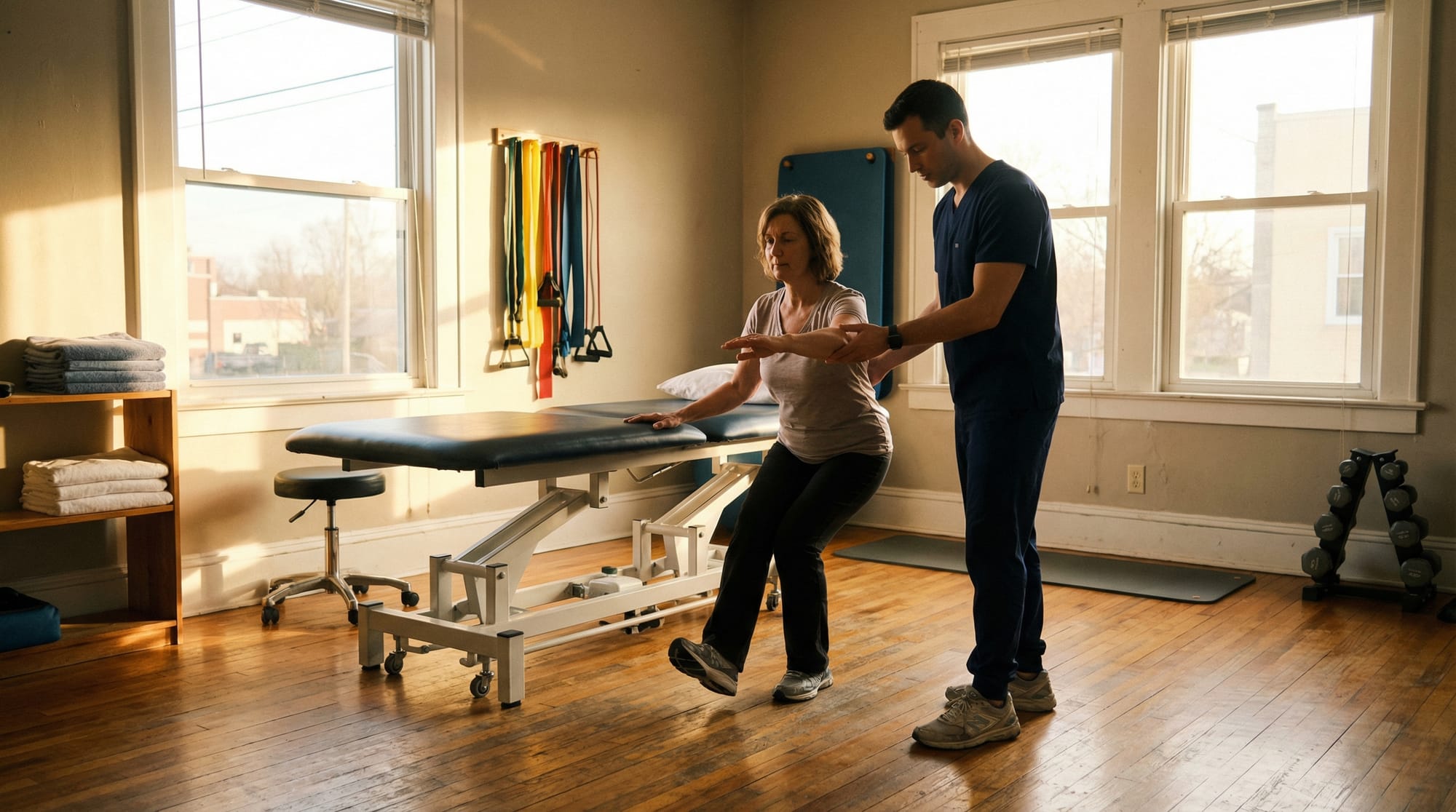
introduction
Back pain is one of the most common reasons people visit physiotherapy clinics in Kuwait, as it affects movement, sleep, concentration at work, and even mood. Sometimes the pain is simple, caused by muscle strain or poor posture, and other times it is related to spinal joint stiffness, a herniated disc, sciatic nerve irritation, weak core muscles, or impaired mobility following a previous injury. The important point is that effective management of back pain does not rely solely on painkillers, but rather on a clear, gradual physiotherapy plan based on a thorough assessment.
At Al-Taie Physiotherapy Center in Kuwait, the focus is on addressing the root cause of the condition, not just the symptoms. Treatment combines clinical assessment, manual therapy, therapeutic exercises, and lifestyle modifications. The center offers both in-office services and home-based physiotherapy options, all under the supervision of specialists. Supporting services such as rehabilitation, hydrotherapy, chiropractic, and other options are also available based on individual assessments.
The following article presents the top 10 effective physiotherapy steps for back pain at Al-Taie Center in Kuwait, presented as practical points. The goal is to help you understand what happens in the treatment plan, why each step is important, and how to ensure the best outcome with the lowest chance of pain recurrence.
Important warning: If back pain is accompanied by loss of bladder or bowel control, severe and increasing numbness in the groin area, sudden weakness in the foot, persistent high fever, unexplained weight loss, or pain after a severe accident, these are signs that warrant urgent medical evaluation before any treatment program.
1) Comprehensive assessment and accurate identification of the source of pain
The first step at Al-Taie Center is to accurately understand the problem, as back pain can originate from muscles, ligaments, spinal joints, discs, hip joint, or even from posture and breathing. Therefore, the specialist begins with a detailed consultation covering the location and nature of the pain, its intensity and intensity, whether it radiates down the leg, and whether there is numbness, tingling, or weakness.
Next, movement is examined, including forward, backward, and sideways bending, noting any compensation or asymmetry. Core and hip muscle strength, hamstring and quadriceps flexibility, and pelvic position are assessed. Sitting, standing, and walking patterns are also examined, as many cases of spinal pain recur due to poor daily habits rather than a single event.
In cases of radiating leg pain, the examination focuses on identifying signs of nerve irritation, such as leg elevation tests and assessments of sensation, strength, and reflexes. The goal of this step is to establish a clear functional diagnosis, such as mechanical pain, joint stiffness, instability, nerve root irritation, or pain associated with muscle strain. Once the picture is clear, subsequent steps become more effective and yield results more quickly.
The plan also includes setting realistic goals, such as reducing pain by a specific percentage within two weeks, improving your ability to sit for longer periods, returning to walking without stopping, or gradually resuming exercise. Measurements are docu
